Booking Q4 2026Start a project
The Infrastructure Layer Your Business Stands On.
Nobody notices a backend until it fails. Keel is how we make sure they never do — or more honestly, that when a dependency fails, nobody can tell. We engineer for the bad day: caches that fail soft, payments that can never strand money in limbo, files that move in gigabytes without touching server memory, and security enforced at the database layer where compromised application code can't reach it. Boring reliability, achieved deliberately.
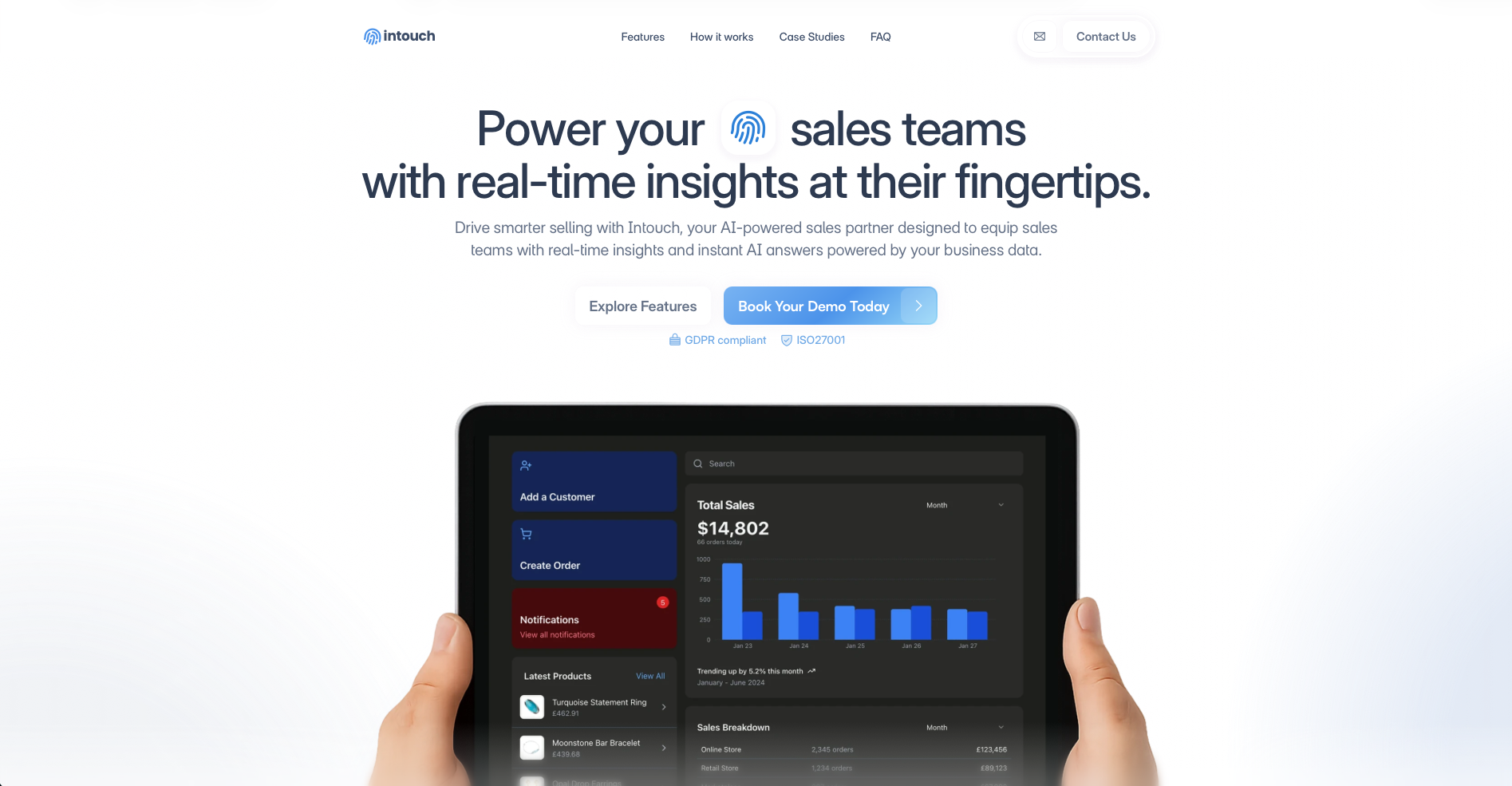
On Intouch, Redis going down is a non-event. Every cache operation is wrapped in graceful degradation: on a miss or an outage the app falls through to the database — slower, never broken. Tiered TTLs tune each domain; pattern-based invalidation keeps data fresh; rate limiting bypasses rather than blocks when the cache is unreachable. Availability is a design decision, made everywhere.
Payment systems earn trust in their failure paths. On PM Competitions, tickets are pre-allocated with row-level locking, payment confirms them, and any failure — a declined card, a dropped connection — rolls the allocation back automatically. On EVÖQ, every Stripe webhook is logged with a unique event ID: duplicates are ignored, failures preserved and replayable. No duplicate tickets, no phantom orders, no ambiguous states.
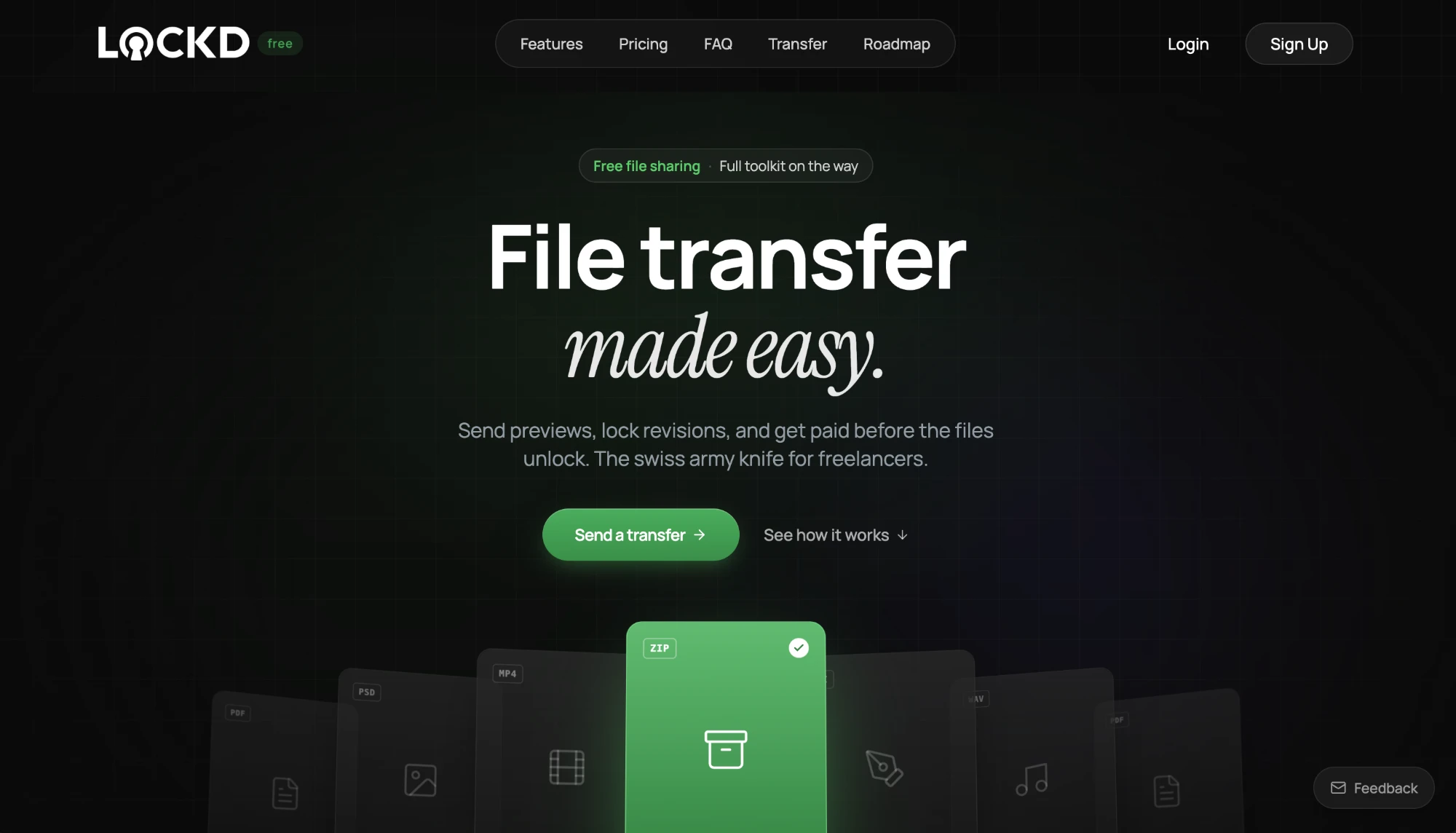
LOCKD moves 5GB files with zero job queues, zero message brokers, zero persistent workers. Uploads pick one of three tiers — presigned, chunked multipart, streaming — so file bytes never burden the API server. ZIP archives stream from bucket to bucket through Lambda with no intermediate buffering, reporting back by webhook. Stale jobs are detected lazily on the read path. The developer experience of a job queue, with none of the infrastructure.
We put security where application bugs can't undo it. Row-level security on every table, so even a compromised API can't leak data across users. Draw logic in stored procedures, out of reach of the application layer. PIN login hardened against timing attacks — every comparison runs in parallel, so response time reveals nothing. Files identified by magic bytes, not by the extension an attacker chose.
Launch is the start of the relationship, not the end. Keel engagements continue as long-term stewardship — monitoring, evolving, and hardening systems as the business grows. The systems above are all under active care today.
Monitoring, dependency updates, security patching, and a response SLA. The system stays healthy; you stay informed.
Everything in Watch, plus an engineering day each month — small features, performance work, hardening. The system doesn't just survive, it improves.
Start with a StewardEmbedded ongoing engineering: roadmap ownership, priority response, and capacity that scales with the business. We stay on the bridge.
Backends, infrastructure, and the reliability engineering above are priced against their own scope — every build is quoted against the system it has to carry.
If downtime, data integrity, or scale is what keeps you up at night, that's our home ground. Tell us where it hurts.